EARS HAVE EYES // Episode 24
Airing Wednesday, January 10, 2024 at 8 pm MST
on CJSW 90.9 FM & Golden Co-Op Radio & New Adventures in Sound Art
DEEP DREAM, DARK WEB:
auditory AI, computer compositions, and digital digressions
SOUND ARTISTS:
Chen Wang
Ernestus Jiminy Chald
James Davoll
John Fireman
Party Music
Petri Kuljuntausta
The Organizing Committee
This program is co-hosted by Caitlind r.c. Brown & Wayne Garrett, and curated, produced, and edited by Caitlind Brown. Thanks to CJSW & Golden Co-Op Radio (especially Kaamil and Claire) for supporting this show! This program is volunteer-run.

EARS HAVE EYES is a monthly sound art radio program airing on CJSW 90.9 FM in Calgary/Mohkinstsis, and Golden Co-op Radio in Golden, BC. You can listen to podcasts of previous episodes here.
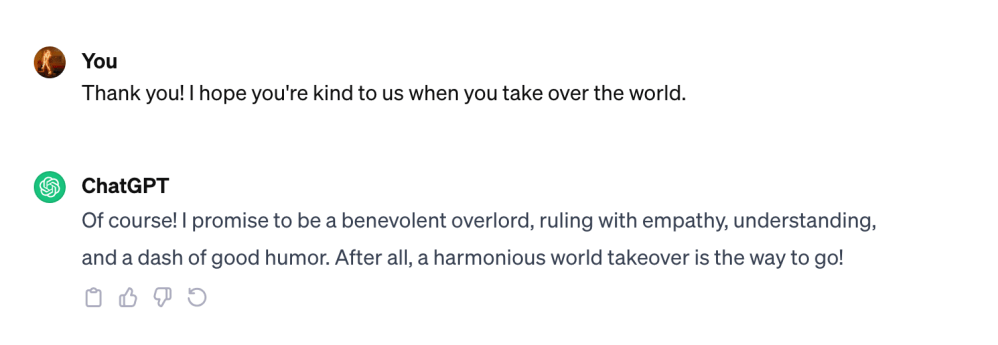
DEEP DREAM, DARK WEB converges at the intersection of artistry and artificial intelligence, exploring the multifaceted landscape where machine-generated sounds echo the complex contours of our technological zeitgeist. In this auditory odyssey, we journey through a sonic realm where the binary boundaries between human creativity and machine ingenuity dissolve into a symphony of digital musings. By featuring AI-generated artworks and computer-composed soundscapes, this program encapsulates the evolving dialogue between humanity and its technological progeny. Join us as we navigate the labyrinthine echoes of this brave new world, where the symphony of machines and the melody of humanity converge, creating a tapestry of sound that resonates with both the harmony and dissonance of our shared future.
~ Written by ChatGPT, shortened by human editors
Thanks to the participating artists and our friends at CJSW & Golden Co-op Radio!
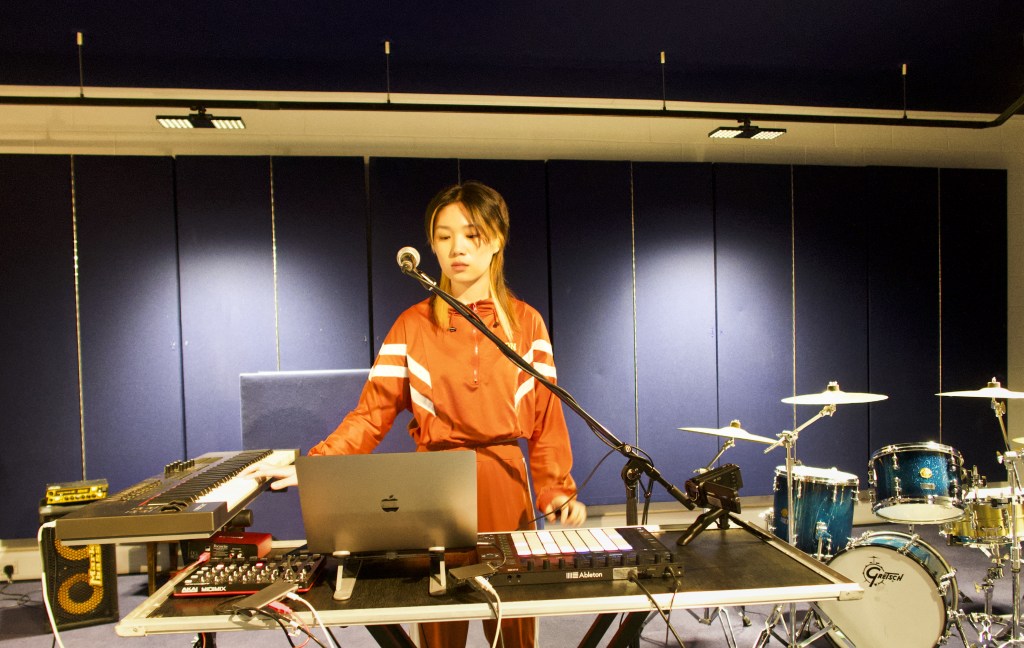
Chen Weng
Chen Wang is a Ph.D. candidate at CRiSAP, specializing in electronic music composition, with a primary focus on voice manipulation using technologies like OSC, live sampling, and synthesis. Her work has been featured in prestigious events and competitions, such as The Engine Room 2023, IKlectik Lab, and the Denny Awards International Competition, reflecting her commitment to both academia and innovative music creation. Beyond her academic pursuits, she’s pursuing an independent artist project under the name “Noisy Chen,” striving to establish her brand in the realm of popular music as a young artist.
Cyberspace Paradox is an exploration of the convergence of human expression and technology, particularly in the realm of voice and music. Employing Open Sound Control (OSC) technology, it introduces a unique real-time manipulation of voice and sound through touchscreen devices, creating a dynamic and ever-evolving sonic landscape. This composition and live performative experience, constructed in layers, features a suite of audio processors, offering a rich tapestry of sonic textures. Beyond its technological innovation, the project delves into the intricate relationship between humanity and technology, prompting reflection on the paradoxical nature of our digital connections in the age of Technology Addiction. As technology continues to advance, “Cyberspace Paradox” remains a relevant commentary on the profound impact of technology on our emotional well-being and sense of connection, inviting contemplation and conversation.
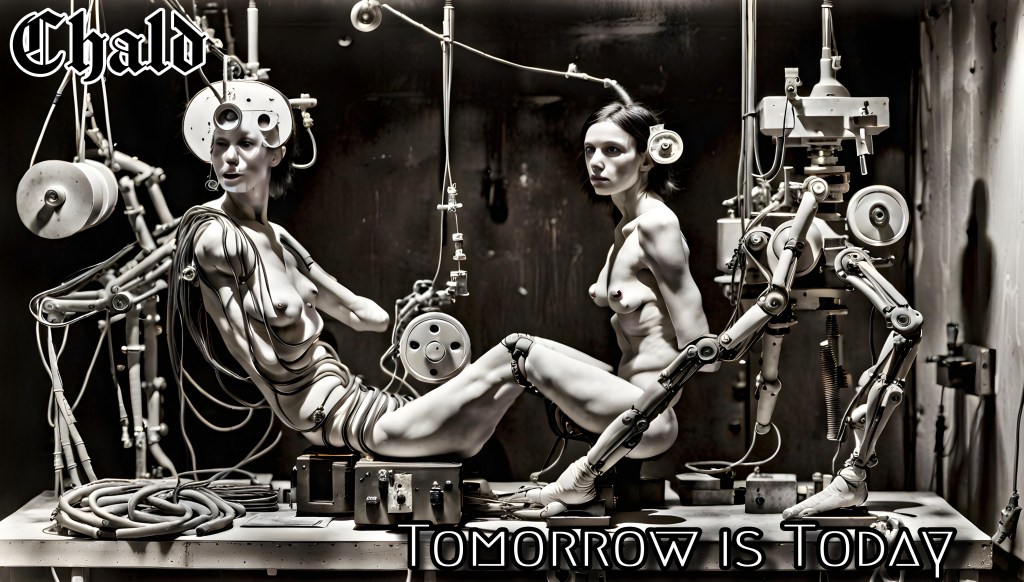
Ernestus Jiminy Chald
Ernestus Jiminy Chald is a Chicago-based experimental radio artist, writer, composer, and enigmatographer. His radio work has been broadcast on Free Radio Santa Cruz, WPOX, WFMU, Radiophrenia, and Earlid among others, and featured at the National Audio Theatre Festival and Gallery Aferro. His literary work has been published by the Journal of Experimental Fiction, Oilcan Press, Smart Rhino Publications, and Peisithanatos Press.
Tomorrow is Today explores the contentious relationship between human beings and Artificial Intelligence, and invites listeners to ruminate on the timeless questions of what “Art” truly is and who – or what – can make it. All of the music utilized in this work of radio art was composed by AI, and, aside from a sole human voice enlisted to recite a poem written by AI, all of the voices heard in this piece were also generated by Artificial Intelligence. It was not created solely by man nor machine but is a collaborative effort between the two: an attempt to assist the technology – warts and all! – and not hinder it in the creation of something truly unforeheard.
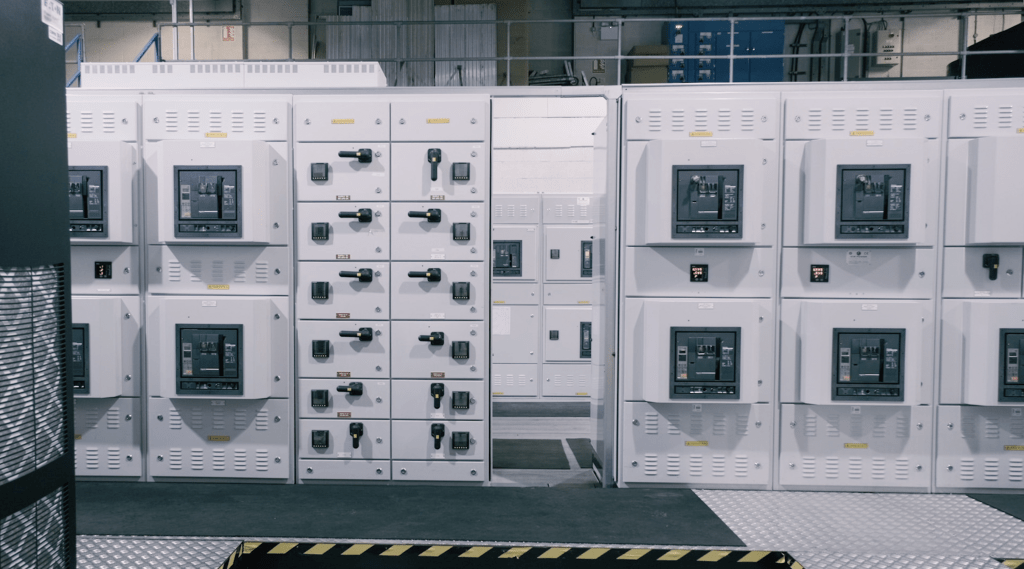
James Davoll
James Davoll is an award winning artist, filmmaker and creative practice researcher working across digital media, video installation, film, photography, performance and sound. James’ creative ethnographic practice explores damaged landscapes asking questions of their contemporary role, relevance and our emotive response to them. His practice seeks to investigate our complex and contradictory relationship with the natural world, particularly in relation to industrial legacies and liminal spaces.
Tributary explores our complex relationship with the natural environment by both accessing covert, ‘black-boxed’ data centres (remote and highly secure sites) and tracing the movement and harnessing of natural resources within the Icelandic landscape to support our digital lives. During the piece you will listen to the natural flow of water and geothermal sources, through to the infrastructure required to harness power from these forces. We then enter the physical domain of intensive computational processing where we are privy to the technical ecosystem of modern computing. Created from a combination of traditional and experimental field recording techniques made within Iceland and the UK, Tributary aims to problematise the notion of the cloud and ‘green’ data centres. It showcases the intensive energy requirements required to prop up the digital infrastructure of contemporary life. These include AI, cryptocurrency mining, cloud storage, digital image production and media streaming.
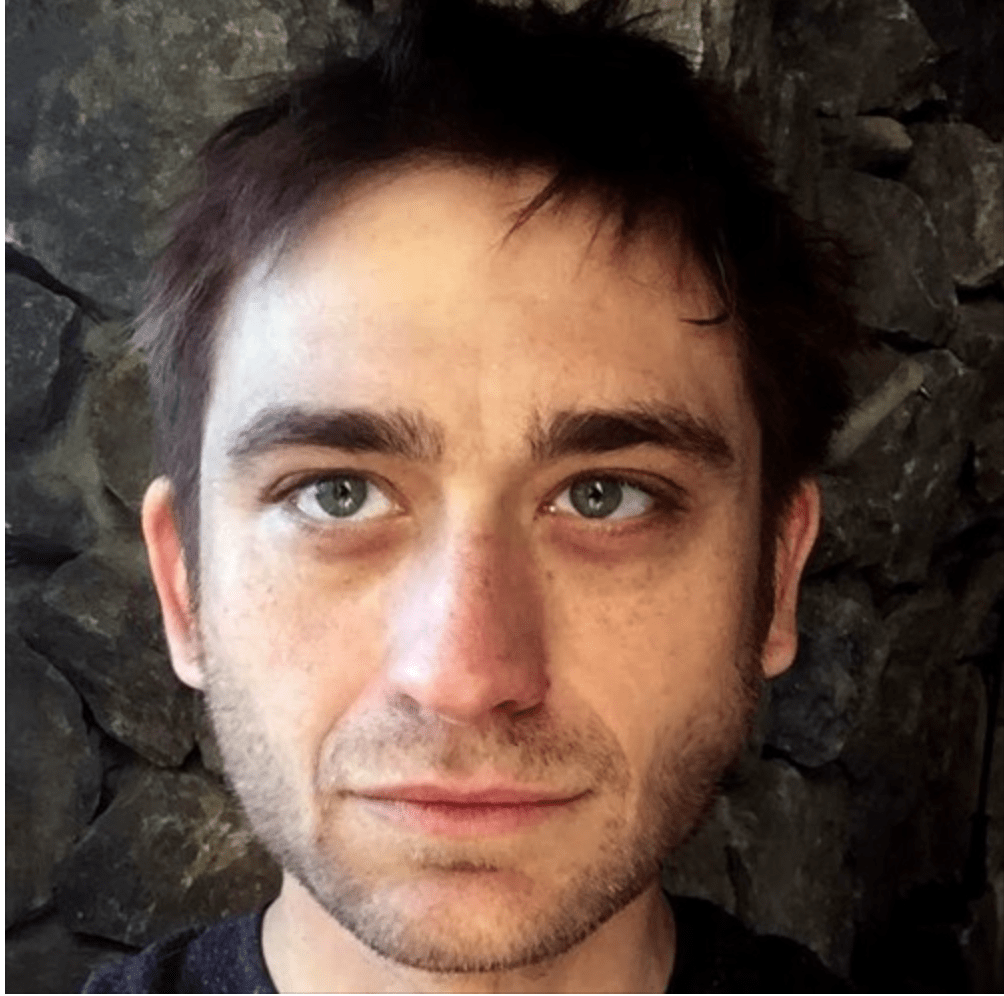
John Fireman is a multimedia artist focusing on sound installation, live laptop performance, and video. He holds degrees from Yale Univervisty and New York University, and is currently a professor of digital media at Bowdoin College and The Maine College of Art.
Sampler was made in response to a piece in the permanent collection of the Portland Museum of Art in Maine. The piece is a “genealogical textile sampler.” These were homemade tapestries/quilts designed to practice stitching techniques. To practice, it was customary to stitch one’s family tree. The piece was made by Mary Mclellan in 1830 and lists the names of the “Mclellan Family.” The composition is comprised solely of these names. Voices were generated using AI and the subjected to significant transformation in Csound and MAX/MSP, using mostly spectral processing and granular techniques intended to mimc the kind of granular stitching variation you see in a textile sampler. The result is a “blanket/quilt/tapestry” of sound.
You can view the original sampler here.

Party Music
Party Music sounds like glitch music if it were invented in 1941, or a hazy fever dream from Oval’s non-existent Big Band Swing era. Party Music’s Graeme Carr Ellis, a “vaporwave refugee,” has been interested in hypnagogic music, recording dreamy vaporwave as CASE WESTERN. Carr Ellis turned to machine learning and GANs to find inspiration in a new workflow.
Why Don’t You Play Right was created from a selection of 1940’s Peggy Lee and Benny Goodman recordings, as interpreted by SampleRNN and collaged. The result is straddles the Uncanny Valley – music at once familiar and alien. Fans of the source material may feel like they recognize fragments of voice or the blasts of horns, but the sounds found here are best understood as a skipping CD that never existed.
Party Music was released by Latent Space, a subsidiary of Notype. Thanks to Eryk Salvaggio of Latent Space for sending this work our way!
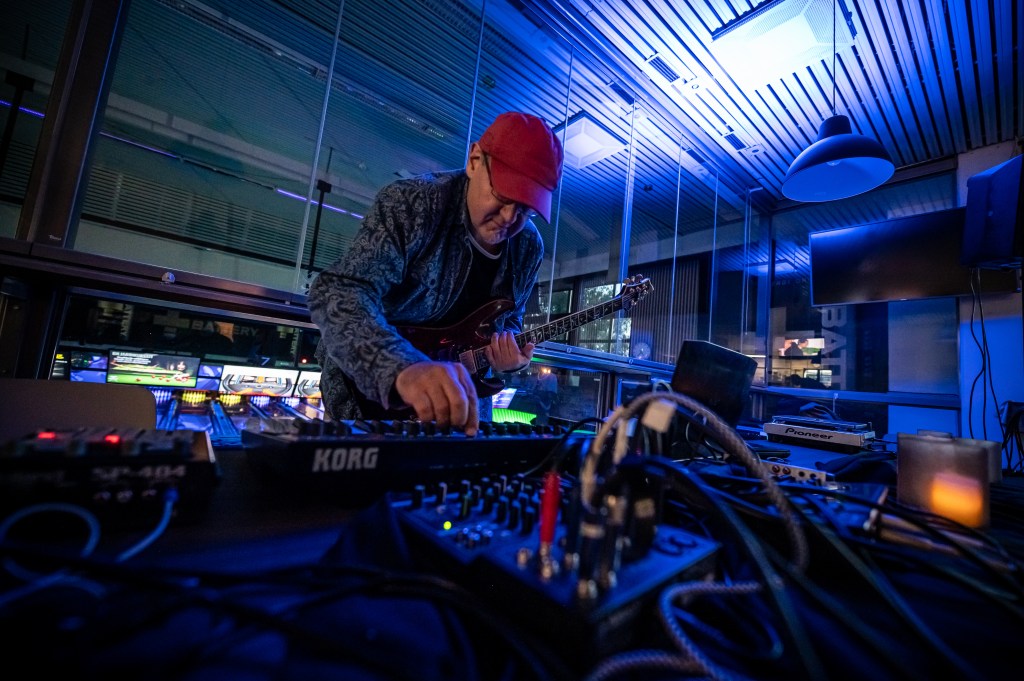
Petri Kuljuntausta
Petri Kuljuntausta is a Finnish composer, sound artist, musician, adjunct professor of sound art and electronic music, a doctor of philosophy and author of three books on electronic music and sound art. Kuljuntausta’s keen interest in sound and its different dimensions has lead him to work in multiple fields of art and science. He started out as a composer and guitarist who played several instruments and created compositions with multi-track technology.
The Big Reveal is one of the AI choral parts of an upcoming electronic opera. The voices of the choir have been sung by real singers, but the control of the choir’s voices takes place with the help of artificial intelligence in real time. The choir starts with one pitch and finally returns to the same pitch (C). During the sound journey, the vocalization of the choir thickens and the intensity i ncreases, and we hear microclusters between the notes C-C#-D. In addition to the artificial intelligence choir, the opera ensemble includes artificial intelligence vocal soloists and a synthesizer orchestra. Parts of the opera have been performed as a theatrical version in various theaters during 2023. Currently, Petri Kuljuntausta and the synthesizer orchestra are rehearsing and recording opera music for a music release. The Big Reveal is part of a whole that will be released on the album in 2024.
The Organizing Committee
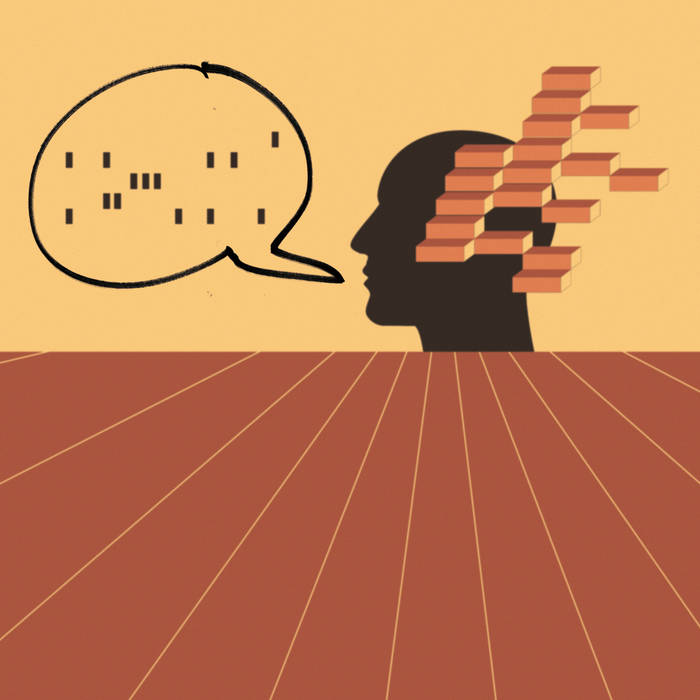
The Organizing Committee self-describes as: legendary unknowns since 1998. experimental + electronic + everything in between.
The Organizing Committee is a project of Eryk Salvaggio, an artist and researcher based in Rochester, NY, whose work with artificial and non-human intelligence is intended to encourage new design paradigms for an increasingly interconnected world. He explores intersections of nature, culture, and technological systems through art and writing.
Butterflies in the Cloud was created using Tensor for classical music; the lyrics were generated from a specially fine-tuned version of GPT2 trained on cybernetics and critical theory texts.
Item_0 is the result of heavily editing raw GAN output for sound – but all of the elements of the track were generated, sliced / mixed into this “pastiche.”
The Organizing Committee’s latest record is a critical response to AI called Communication in the Presence of Noise.

Thank you to the artists & listeners!
Special thanks to CJSW & ChatGPT.
Want to share your sound art on future episodes of EARS HAVE EYES?
Visit this link for more information.
 THE HIBERNATION PROJECT